
Here’s something nobody tells you before you start shopping: most furniture showrooms look the same after the third one. Same sofas, same beds, just different price tags. If you’re after real high-end furniture, you have to know what you’re looking at, because the showroom floor won’t tell you.
So that’s what this guide is for. We’ll go through what actually makes furniture “luxury modern,” where people go wrong, and how to think about it room by room. We’ll also get into why more Delhi homeowners are bringing in a furniture designer instead of handling it themselves — usually after a DIY attempt that didn’t go the way they expected.
What “Luxury Modern Furniture Design” Even Means
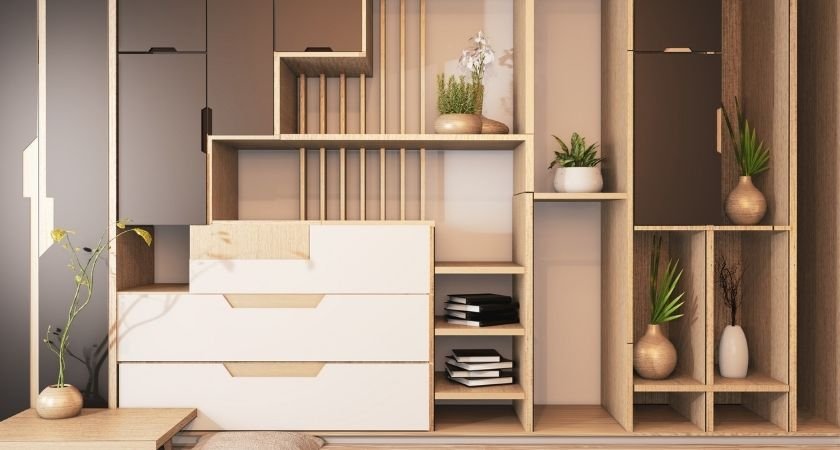
People throw the word luxury around a lot, and half the time it just means expensive. That’s not really what we mean here.
Luxury modern furniture design comes down to three things, and none of them are about how much gold trim a piece has:
- The materials are real. Solid wood, actual leather, brass, stone. Not laminate pretending to be wood.
- Someone took their time on it. You can usually tell within a few seconds of sitting on a sofa or opening a drawer.
- It won’t look dated in three years. Trend-chasing furniture ages badly. Good design doesn’t.
We’ve seen this shift firsthand — over the past few years, a growing share of our Delhi, Gurgaon, and Noida clients now open the conversation asking about material sourcing and construction, not just style. A few years ago almost nobody asked what the frame was made of. Now it’s one of the first questions. People aren’t just buying furniture to fill a room anymore — they’re treating it like an investment, and that’s a good change.
Why Luxury Modern Furniture Design Is Worth the Investment
There’s a reason luxury modern furniture design keeps coming up in client conversations these days.
It changes how a room feels, almost instantly
Swap out one bad sofa for a well-proportioned one and the whole room shifts. We see this happen constantly — clients walk in expecting a small update and end up saying the whole space feels different.
It doesn’t fall apart in two years
Cheap furniture wears out fast. Cushions flatten, joints loosen, finish chips. Solid, well-built pieces hold up under daily use far longer, and because the materials themselves — solid wood, leather, stone — are what buyers look for secondhand, they’re also easier to resell or hand down than laminate pieces, which most buyers won’t touch a few years in.
It actually matches how you live
There’s no single “luxury look,” which surprises people. Some want warm and layered. Others want stripped-back and quiet. A good designer isn’t pushing a style — they’re figuring out yours.
What Actually Goes Into Modern Luxury Furniture
If you’re about to design or buy new pieces, here’s what matters more than anything else.
Materials first
This is really where modern luxury furniture separates itself. Solid hardwood, real leather, natural stone tops, brass or matte black hardware. These aren’t just prettier — they hold up under actual daily use.
Getting the scale right
One mistake we see over and over: someone falls in love with a huge statement sofa and forgets to check if it’ll fit the room. It ends up blocking the walkway, and the whole space feels tighter instead of grander. Measure first. Always.
Function still matters
Good design-led furniture isn’t just about looking nice in photos. Hidden storage under a bed frame. A sofa that pulls out for guests. A coffee table that lifts up into a workspace. Families need furniture that pulls its weight.
Don’t overdo the colors
Stick to a neutral base, maybe one accent color, and let the natural material tones fill in the rest. Rooms with five competing colors rarely feel as calm as people expect them to.
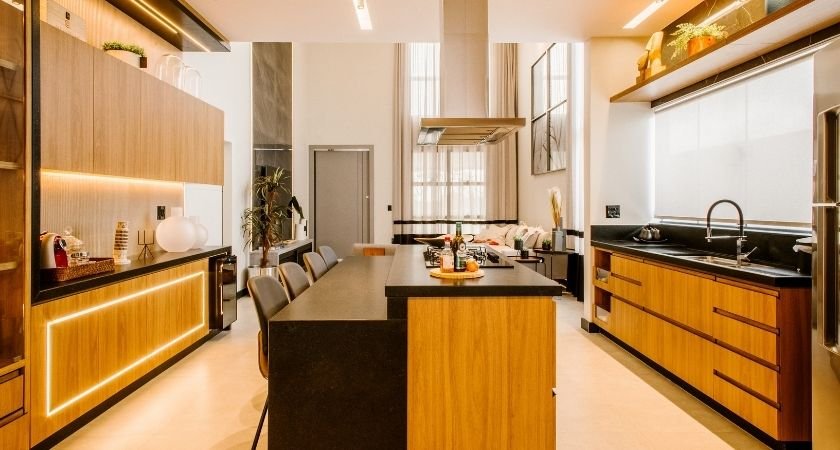
Residential Furniture Design, Room by Room
Residential furniture design isn’t really a single decision — it changes depending on which room you’re in.
- Living room: Pick the sofa first. Everything else — chairs, side tables, rugs — should build around it, not fight with it. The trap here is buying for the showroom instead of your room: a sofa that looks perfectly scaled under 20-foot ceilings can swallow a normal living room whole. Decide your seating arrangement before you decide your fabric.
- Bedroom: Put your money into the bed frame before anything else. It does more for the room than decor ever will — it’s the largest object in the room and the one piece you interact with every day. Nightstands and lighting can be simple; a bed frame in cheap material or a flimsy joint will be the first thing to wear out, and the hardest thing to quietly replace later.
- Dining room: A solid wood or stone table that seats your family comfortably, with a little extra room for guests, beats a trendy but cramped one every time. This is also the room where finish matters more than people expect — a table gets scratched, spilled on, and leaned on for years, so ask what the material actually looks like after daily use, not just on day one.
- Home office: Comfort wins over looks here. You’ll be sitting in that chair for hours, so don’t pick it purely for how it photographs. If you only upgrade one thing in this room, make it the chair — a beautiful desk with the wrong chair still gives you a bad back by 3pm.
Do this room by room and your home ends up feeling connected without every single room looking identical.
Mistakes We See People Make Constantly
Even with a solid plan, it’s easy to trip on a few things:
- Skipping the measuring tape. Doorways, hallways, stairwells — measure all of it before you order. A beautiful sofa that won’t fit through your front door helps nobody.
- Ignoring your actual lighting. A finish that looked warm under showroom spotlights can look totally different under your living room bulbs. Bring a sample home first if you can.
- Cramming a room too full. Furniture needs breathing room around it. A packed room reads as cluttered no matter how nice the individual pieces are.
- Chasing whatever’s trending. Trend colors fade out of style embarrassingly fast. Classic shapes just don’t.
A good furniture designer Delhi homeowners already work with will usually flag these issues before they become expensive problems, mostly because they’re planning around your actual home instead of a showroom floor plan.
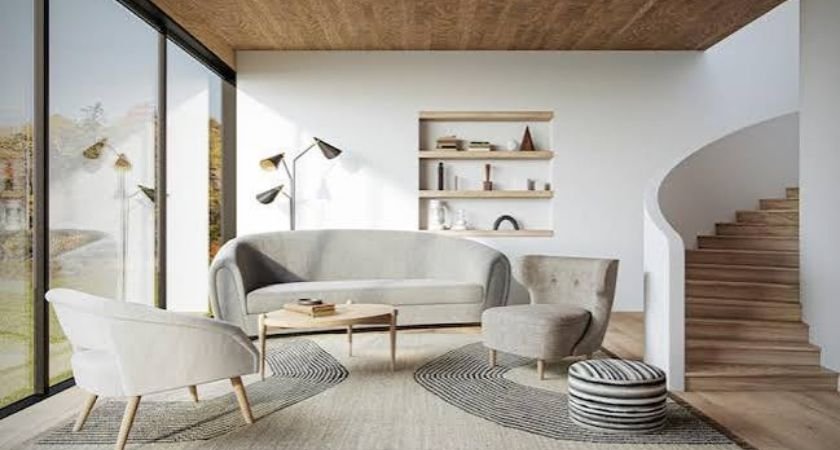
Is It Worth Hiring a Furniture Designer in Delhi?
Furnishing a home on your own can go fine — until it doesn’t, and you end up with a living room full of pieces that technically match but somehow don’t feel right together. Here’s what a designer actually changes on a project, beyond just picking pieces:
- They catch scale and clearance problems before you order — not after a sofa is stuck in your stairwell.
- They can get a piece custom-built to fit an odd-shaped room, instead of you compromising on a size that almost works.
- They plan around how your family actually uses a room day to day, not around how it’ll look in one photo.
- They own the whole timeline — sourcing, delivery, install — so a delayed shipment or a wrong finish is their problem to fix, not yours to chase down.
This matters even more on bigger residential furniture design projects, where every room has to feel like part of the same home instead of a collection of separate decisions.
Frequently Asked Questions
1 What’s actually different between “modern” and “luxury modern” furniture?
Mostly the materials and how it’s built. Luxury modern furniture design uses solid wood, real leather, natural stone — stuff that’s actually going to last. Regular modern furniture can look the same in photos, but it won’t hold up the same way.
2 Does high-end furniture work in small apartments?
Yeah, actually — sometimes better than bulky budget pieces. The proportions are usually smarter, so a small room ends up feeling open instead of cramped.
3 How much does custom furniture cost in Delhi?
Depends on the materials and how many pieces you need. Honestly easiest to just get on a call and we’ll give you a real number.
4 How long does a custom project take?
Usually four to eight weeks, give or take, depending on what you’re getting and how easy the materials are to find.
Final Thoughts
At Ryan Creative Living, we’ve learned that luxury modern furniture design isn’t really about how a room photographs. It’s about walking into your living room after a long day and having it actually feel like it fits — the sofa doesn’t crowd the doorway, the light doesn’t wash out the wood tone, nothing wobbles when a guest leans on it.
Get the materials, the sizing, and the layout right, and everything else tends to fall into place on its own. Want to see this in your own home? Check out our furniture design services, browse our residential interior design portfolio for ideas, or book a free consultation and let’s talk through your space.
